An overreliance on imported fertilisers put Japan’s food security at potential risk. Saburo Matsui explains how the country’s sanitation strategy is supporting its goals for a healthy, sustainable and biodiverse future.
In the autumn of 2023, under the directive of the Kishida Cabinet, Japan’s Ministry of Agriculture, Forestry and Fisheries (MAFF) and the Ministry of Land, Infrastructure, Transport and Tourism (MLIT) embarked on a collaborative effort to promote the use of sewage sludge as an agricultural fertiliser and change its image from one of waste, to that of a resource.
This marks an important shift for Japan, which sees the country moving on from historic concerns around sludge, especially with regards to heavy metals. Now, it has started construction of a new generation of sludge infrastructure and the search for options that can be applied at space-limited treatment plants.
Agricultural transformation
Japan imports 100% of its nitrogen, phosphorus and potassium fertilisers. Japan’s vulnerability in terms of food security because of this reliance on imported fertilisers was highlighted when the conflict in Ukraine led to reduced import volumes and necessitated agricultural reform.
Globally, there is a trend towards decarbonisation and the conservation of biodiversity. To achieve this, it is essential to reduce the use of chemically produced synthetic pesticides and fertilisers. The call for agricultural transformation towards organic and more environmentally sustainable practices has prompted a global re-evaluation of the value of sewage sludge.
With this aim of decarbonising and improving biodiversity, Japan has committed to adopting organic farming practices on approximately 25% of its agricultural land by 2050, with the remaining agricultural land dedicated to environmentally sustainable production.
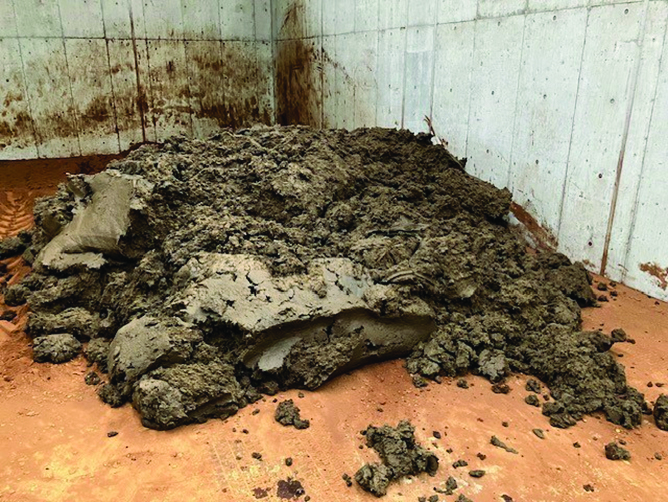
The recent announcement on sewage sludge has an important part to play in this strategy. While organic farming – which avoids chemical fertilisers and synthetic pesticides – can be supported by composted manure from livestock, achieving the goals of a 30% reduction in the use of chemical fertilisers and a 50% reduction in synthetic pesticides will rely greatly on the use of composted sewage sludge, making it a crucial factor in this transition.
Changing practice and mindsets
Currently, 80% of Japan’s population is connected to sewage systems, and the resulting sludge is incinerated, with the ash used in cement. However, the focus has shifted towards composting and utilising the sludge as an organic fertiliser to provide a more sustainable alternative to chemical fertilisers. This requires advanced composting technology along with related research and development.
“JAPAN IMPORTS 100% OF ITS NITROGEN, PHOSPHORUS AND POTASSIUM FERTILISERS”
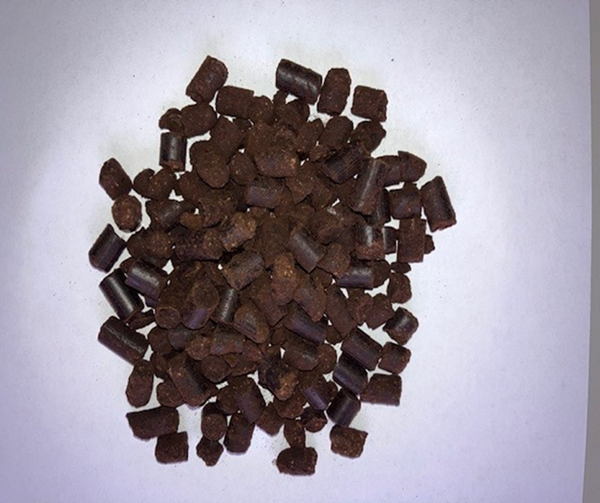
In addition, responding to the aversion of farmers to the term ‘sewage sludge’ and the need to find an alternative description that conveyed the material’s value, MAFF decided to rename it ‘bacterial phosphate’, reflecting the move to utilise sewage sludge-based compost as an alternative to phosphate-based fertilisers.
Benefits of bacterial phosphate
High-quality bacterial phosphate compost (composted sewage sludge), in addition to containing nitrogen, phosphorus and potassium, also contains calcium and magnesium, and trace metals such as iron, zinc, and cobalt. Furthermore, it has beneficial recalcitrant humic substances resulting from secondary fermentation. These humic substances help retain fertiliser components, minerals, trace metals, and moisture, thereby improving soil quality.
Fundamental to soil science is the importance of bacteria creating an environment that encourages good soil nutrients. Beneficial bacteria enhance plant health, with microbes referred to as plant growth-promoting rhizobacteria assisting in the growth of cultivated plants by acting as beneficial organisms that also combat harmful bacteria, fungi, parasitic nematodes, and improve plant resistance to pests.
Composting techniques
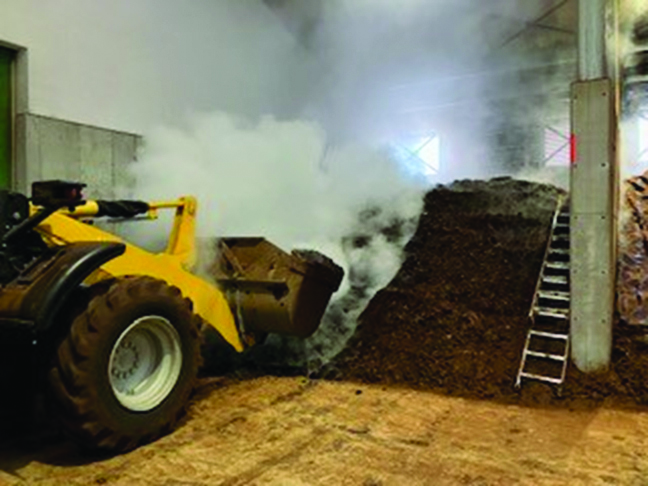
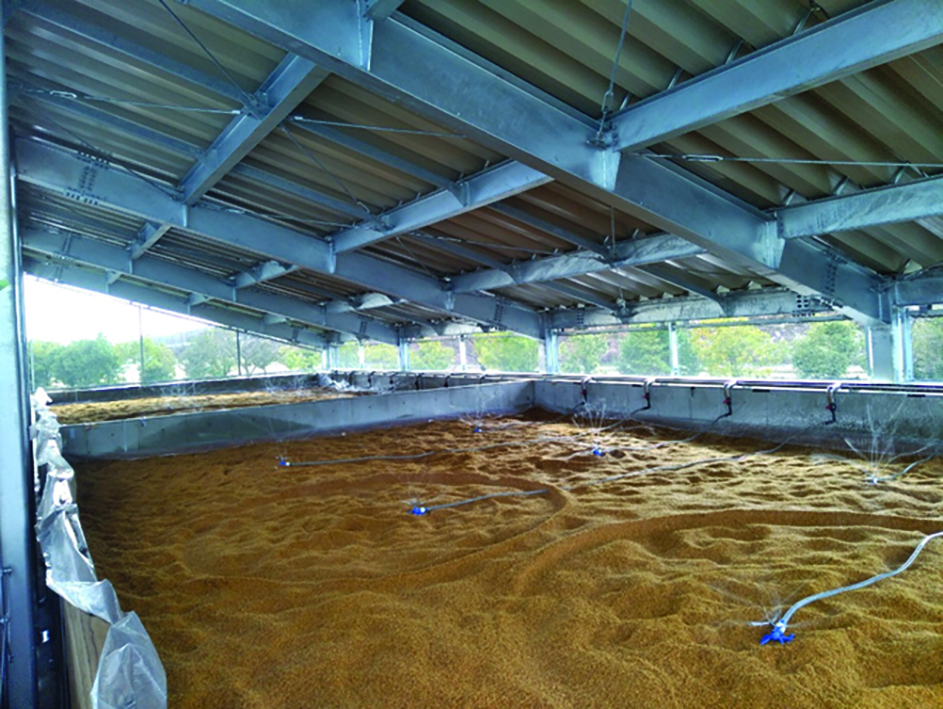
One of the methods currently recommended by MLIT is the ultra-high-temperature fermentation method, alternatively called hyper-thermophilic composting. This technique allows the sewage sludge to ferment without the need for the addition of fermentation enhancers.
Regardless of whether the environment is cold or warm, the composting period is approximately seven weeks, with the initial primary fermentation period lasting three weeks, followed by a four-week secondary fermentation. During the process from primary to early secondary fermentation, the core temperature of the compost remains around 90°C to 100°C.
“JAPAN HAS COMMITTED TO ADOPTING ORGANIC FARMING PRACTICES ON APPROXIMATELY 25% OF ITS AGRICULTURAL LAND BY 2050”
This high-temperature fermentation ensures that viruses, pathogenic bacteria (such as E. coli), fungi, insect eggs, and weed seeds are sterilised and inactivated. This means farmers can confidently use compost made from sewage sludge and in fact MLIT has given this use the nickname ‘BISTRO Sewage Agriculture’.
Product safety and quality
There is strict regulation of heavy metal concentrations and the management of other harmful substances. Measures to mitigate heavy metal contamination have already been implemented in most Japanese sewage systems and most of the heavy metal concentrations in sewage sludge are therefore safe to compost. As a result, composting initiatives have begun, and high-quality compost is being utilised.
Investing in the future
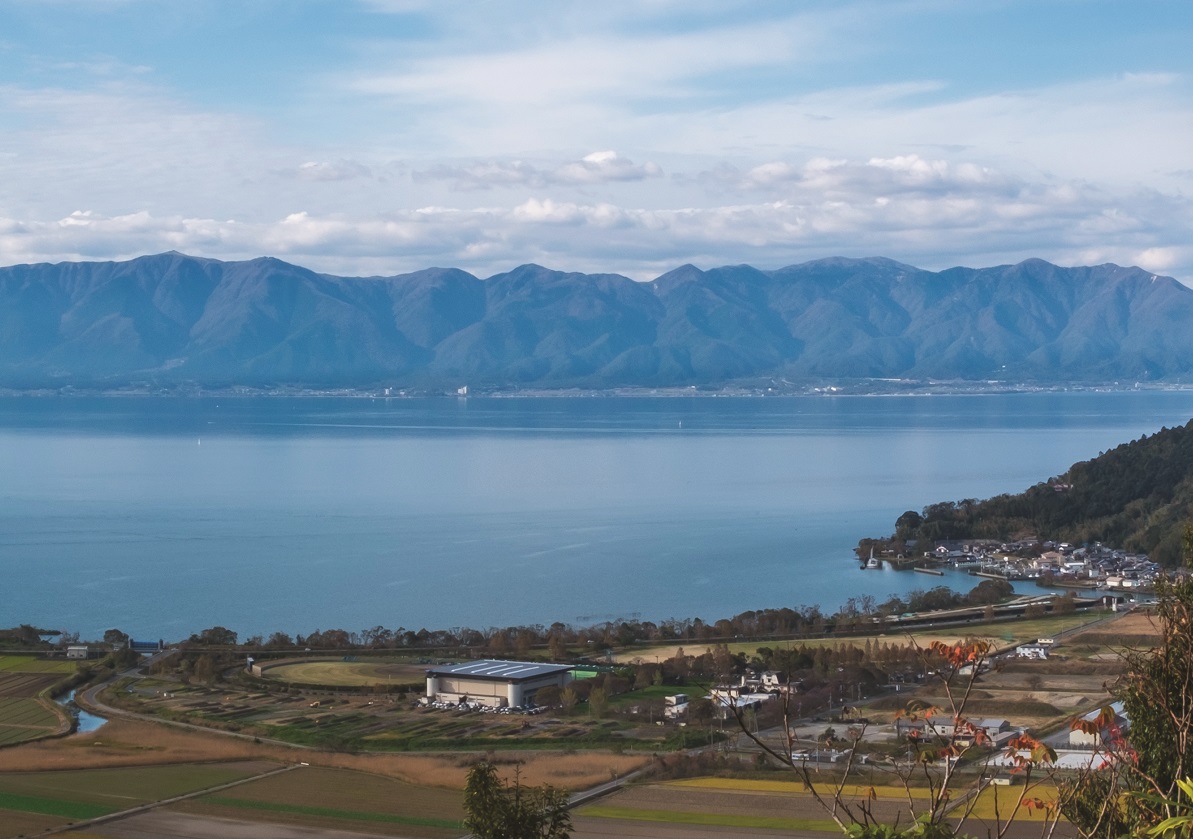
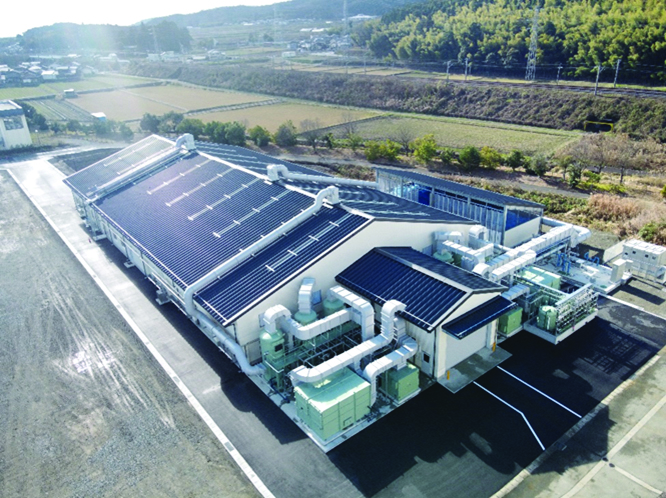
The most recently built hyper-thermophilic composting plant in Japan became operational on the western shore of Lake Biwa at the Takashima Sewage Treatment Plant. Lake Biwa is the largest lake in Japan, with the head reservoir providing drinking water for 14 million people in Osaka, Kobe, Kyoto, and other cities.
Sustainable sanitation
The adoption of this circular economy approach – turning what could be considered a waste product, into a rich, sustainable fertiliser – will benefit the environment and food security, helping Japan reduce its reliance on imported fertilisers and develop a sustainable approach to agriculture that improves biodiversity and feeds its nation by feeding the soil itself. New research and development initiatives will be core to ensuring a seamless transformation of Japan’s sanitation system into one based on circular principles. •
The author: Saburo Matsui is Emeritus Professor at Kyoto University, Japan, Professor of the Research and Development Unit of Chuo University, Japan, Chair of the Technical Committee at the Japan Institute of Wastewater Engineering and Technology, and is a Distinguished Fellow of IWA