

——温州排水的实践与探索
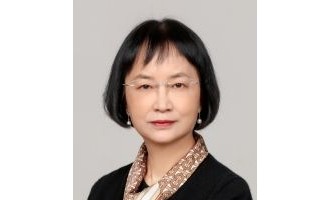
吴澄
(温州市排水有限公司,浙江温州,325000)
摘 要:在“双碳”目标与行业减污降碳双重压力下,污水处理厂作为能源消耗与碳排放重点单元,其绿色低碳转型成为行业发展关键。针对出水水质总氮要求高,污水厂碳源消耗大这一核心痛点,本文重点围绕“碳源替代”这一降本增效创新路径,立足三座污水厂的典型实践案例进行探讨。实践表明,通过在污水处理厂引入污泥超声波破解技术、厌氧发酵技术、应用植物甘油等副产物,可以大幅削减传统化学品的依赖,且以“药剂替代”为核心的协同创新,显著降低了污水厂直接运行成本与间接碳排放,为城镇污水厂的绿色低碳转型提供了可复制、可推广的实战经验。
关键词:双碳目标;污水处理厂;碳减排;污泥超声波破解;厌氧发酵;植物甘油;
Abstract:Under the dual pressure of the "carbon peak and carbon neutrality" goals and the industry's requirements for pollution and carbon reduction, wastewater treatment plants, as significant units of energy consumption and carbon emissions, are undergoing a critical green and low-carbon transformation. Addressing the core challenge of high total nitrogen requirements in effluent, which leads to substantial carbon source consumption, this paper focuses on the innovative path of "carbon source substitution" for cost reduction and efficiency improvement, based on typical practical cases from three wastewater treatment plants. Practice has shown that by introducing technologies such as sludge ultrasonic disintegration, anaerobic fermentation, and utilizing by-products like plant glycerin in wastewater treatment plants, reliance on traditional chemicals can be significantly reduced. Moreover, collaborative innovations centered on "agent substitution" have markedly lowered direct operational costs and indirect carbon emissions of the plants, providing replicable and scalable practical experience for the green and low-carbon transformation of urban wastewater treatment plants.
Keywords: carbon peaking and neutrality; wastewater treatment plant; carbon reduction; sludge ultrasonic disintegration; anaerobic fermentation; plant glycerin;