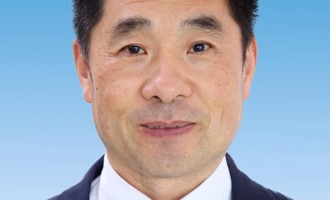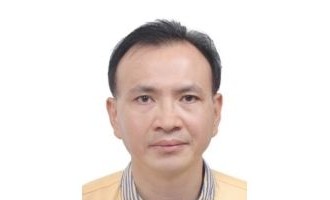


卢骏营
(上海市政工程设计研究总院<集团>有限公司)
[1]卢骏营.城镇污水厂污泥脱水干化焚烧工艺全流程碳排放研究[J].中国给水排水,2025,41(24):52-55.
LUJun-ying.Research on Carbon Emissions of Sludge Dewatering Drying and Incineration Process of Municipal Sewage Treatment Plant[J].China Water & Wastewater,2025,41(24):52-55.
城镇污水厂污泥脱水干化焚烧工艺全流程碳排放研究
- Title:
- Research on Carbon Emissions of Sludge Dewatering Drying and Incineration Process of Municipal Sewage Treatment Plant
- 作者:
- 卢骏营
- (上海市政工程设计研究总院<集团>有限公司,上海 200092)
- Author(s):
- LU Jun-ying
- (Shanghai Municipal Engineering Design Institute
Co. Ltd., Shanghai 200092, China)
- Keywords:
- sludge treatment; carbon emissions; water content of sludge; sludge dewatering and drying; sludge incineration
- 摘要:
- 以南方某城市污水处理厂污泥处理处置为例,从污水处理厂浓缩后污泥开始,研究厂内脱水干化+异地集中焚烧(出厂污泥含水率为40%)、厂内深度脱水+异地集中焚烧(出厂污泥含水率为60%)、厂内常规脱水+异地干化/焚烧工艺(出厂污泥含水率为80%)的碳排放情况。结果表明,基于该城市泥质特点,污水处理厂出厂污泥含水率越低,污泥干化焚烧工艺的计算碳排放量越低。当出厂污泥含水率分别为40%和60%时,电耗碳排放量占比最大,分别占总碳排放量的31%和27%。当污水处理厂出泥含水率为80%时,外加燃料带来的碳排放约占全流程的43%。因此,污泥处理处置中应尽量采用高效节能的设备,减少处理程中的药剂添加,处理过程减少天然气等能源的使用,尽可能采用废热蒸汽、生物质等热源。
- Abstract:
- Taking a city in southern China as a case study, this research examines the carbon emissions of different sludge treatment scenarios, starting from the thickened sludge at the wastewater treatment plant. The three scenarios analyzed are: on-site dewatering and drying + off-site centralized incineration (with sludge moisture content of 40% upon leaving the wastewater treatment plant), on-site deep dewatering + off-site centralized incineration (with sludge moisture content of 60% upon leaving the wastewater treatment plant), and on-site conventional dewatering + off-site drying/incineration (with sludge moisture content of 80% upon leaving the wastewater treatment plant). The result shows that lower water content in the sludge discharged from the WWTP leads to lower calculated carbon emissions. When the water content of sludge is 40% and 60%, the carbon emission of electricity usage accounts for the largest proportion of total carbon emissions, accounting for 31% and 27%, respectively. However, when the water content of sludge is 80%, the carbon emissions from additional fuel usage contributes to approximately 43% of the total carbon emissions. Therefore, to reduce carbon emissions in the sludge treatment and disposal process, it is recommended to utilize energy-efficient equipment, minimize chemical additives, reduce reliance on natural gas and other energy sources, and maximize the utilization of incorporate waste heat steam, biomass, and other sustainable heat sources.
相似文献/References:
[1]宋晓雅.小红门污泥热水解厌氧消化项目运行两周年之回顾[J].中国给水排水,2018,34(22):116.
SONG Xiao-ya.Review of Biennial Operation of Xiaohongmen Thermal Hydrolysis Anaerobic Digestion System[J].China Water & Wastewater,2018,34(24):116.
[2]仝恩从.保定市污泥处理中心项目的工艺选择及思考[J].中国给水排水,2018,34(20):21.
TONG En cong.Process Selection and Thought of Baoding Sludge Treatment Center Project[J].China Water & Wastewater,2018,34(24):21.
[3]林明,庄毅璇,李建,等.某污水处理厂污泥处理系统技术改造[J].中国给水排水,2018,34(20):109.
LIN Ming,ZHUANG Yi xuan,LI Jian,et al.Technological Transformation of Sludge Treatment System in a WWTP[J].China Water & Wastewater,2018,34(24):109.
[4]王首都,黄申斌,魏小玲,等.立式移动地板发酵仓技术在崇明某污水厂的应用[J].中国给水排水,2020,36(14):138.
WANG Shou-du,HUANG Shen-bin,WEI Xiao-ling,et al.Application of Vertical Mobile Floor Fermentation Bin in a Sewage Treatment Plant in Chongming District[J].China Water & Wastewater,2020,36(24):138.
[5]颜莹莹,孟春霖,梁远,等.连续深度脱水耦合低温干化工艺用于鹰潭污泥处理厂[J].中国给水排水,2020,36(16):105.
YAN Ying-ying,MENG Chun-lin,LIANG Yuan,et al.Continuous Deep Dewatering Coupled with Low Temperature Drying Process in Yingtan Sludge Treatment Plant[J].China Water & Wastewater,2020,36(24):105.
[6]孙建升,叶雅丽,郑兴灿,等.昆明市污水处理厂污泥处理工艺的研究与探讨[J].中国给水排水,2020,36(18):108.
SUN Jian-sheng,YE Ya-li,ZHENG Xing-can,et al.Research and Discussion on the Sludge Disposal Technology of Kunming WWTPs[J].China Water & Wastewater,2020,36(24):108.
[7]孟继安,钟达文,孙昊,等.SEUE-WAO污泥湿式氧化工艺的生产性试验研究[J].中国给水排水,2023,39(15):1.
MENGJi-an,ZHONGDa-wen,SUNHao,et al.Full-scale Study on SEUE-WAO Sludge Wet Air Oxidation Process[J].China Water & Wastewater,2023,39(24):1.
[8]黄青,杨平,杨忠启,等.MBBR和MBR工艺的污水处理效果与碳排放分析[J].中国给水排水,2023,39(16):99.
HUANGQing,YANGPing,YANGZhong-qi,et al.Analysis on the Engineering Effect and Carbon Emission of MBBR and MBR Processes for Treating Sewage[J].China Water & Wastewater,2023,39(24):99.
[9]王倩,吴雪松,李伟,等.北排清河二厂污泥脱水工艺节能降耗优化运行策略[J].中国给水排水,2024,40(2):94.
WANGQian,WUXue-song,LIWei,et al.Optimized Operation Strategy for Energy Saving and Consumption Reduction of Sludge Dewatering Process in Qinghe Ⅱ Reclaimed Water Plant of Beijing Drainage Group[J].China Water & Wastewater,2024,40(24):94.
[10]胡方旭,卢亚静,周星,等.典型老城区海绵城市建设碳减排效益评估[J].中国给水排水,2024,40(3):130.
HUFang-xu,LUYa-jing,ZHOUXing,et al.Assessment of Carbon Emission Reduction Benefits of Sponge City Construction in Typical Old District[J].China Water & Wastewater,2024,40(24):130.